
Animal health
-
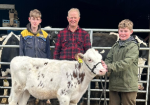
Farmer Focus: D Blanch, Gloucestershire
The Blanch family have farmed at Poplar Farm, Gloucestershire for over 400 years, and is now under the management/proprietorship of David Blanch and his family. Read more..
-
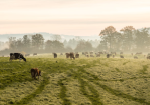
Liver Fluke in Dairy Cows
The warm and wet conditions of this Autumn could potentially see a rise in cases of liver fluke. Read more..
-
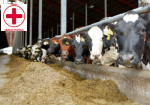
Use Milk Recording to identify IBR
Infectious Bovine Rinotracheitis (IBR) is an acute viral disease caused by type 1 bovine herpes virus (BHV-1) and affects the upper respiratory tract, which can lead to fatalities
-
Monitor Herds for Johne’s by milk recording
Johne’s is an infectious, chronic, progressive wasting disease caused by the bacteria Mycobacterium avium paratuberculosis (referred to as MAP). In affected animals, it can lead to
-

Herd Health Testing for BVD
Bovine Viral Diarrhoea (BVD) is more common in dairy herds than beef, which is a problem for the dairy sector because BVD reduces fertility and therefore hits lifetime milk product
-

CIS Laboratory Celebrates 10 year Anniversary
It was in 2011 that CIS purchased Speir House, thanks to the innovative vision and leadership of Sue Cope – and the state-of-the-art laboratory first opened its doors for testing i
-

Pregnancy Diagnosis in Dairy Herds
Cows can experience heat stress at lower temperatures than you might think! Heat stress can have a negative impact on reproductive performance.
-

Liver Fluke
Liver Fluke is a parasitic infection caused by Fasciola Hepatica which has a complex lifecycle with infection to clinical signs slow to develop in cattle.
-

CIS Laboratory Achieves Compliance to UKAS Standards
The Cattle Information Service (CIS) accredited laboratory, based at Telford, Shropshire, continues its operational excellence by achieving for 9th consecutive year compliance to U
-
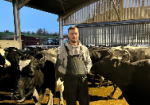
Farmer Focus: Mells Park Trust
Red Barn Farm near Frome, Somerset was purchased in 2014 and re-established as a dairy farm in 2017 following investment in a new dairy complex. Read more..